
On Tuesday, the Civil Liberties Committee endorsed critical legislative changes to enhance the ability of EU member states to address child sexual abuse (CSA). Supported by Members of the European Parliament (MEPs), the proposal modernises the EU-wide definitions of CSA-related offences to align with new technologies and strengthen cooperation among national authorities in investigations and victim support.
“We need to make sure our laws to fight child sexual abuse are up to date and that we criminalise new phenomena, including so-called ‘instruction manuals’ that facilitate abuse, livestreamed abuse and deep-fake CSA material,” rapporteur Jeroen Lenaers (EPP, Netherlands) said.
“We also want tougher punishments and more mechanisms for reporting abuse. Because it often takes decades for victims to come forward, we need to abolish the limitation periods for these crimes. We owe it to victims to support them properly through the legal process and ensure that justice is done,” the rapporteur added.
MEPs have proposed increasing maximum penalties for CSA offences, including those involving non-consensual sexual activities with children above the age of consent and the distribution of CSA material. They also suggest removing limitation periods for these crimes, allowing victims to seek compensation indefinitely.
The proposal explicitly criminalises artificial intelligence systems primarily designed for CSA offences and addresses the livestreaming and online sharing of related material. To improve investigations, MEPS advocate for undercover operations and updated definitions of consent that allow for consensual interactions between peers, provided there is no abuse of trust.
Free support services for child victims should include medical examinations and access to gender-sensitive healthcare, organised according to the Barnahus model. The committee emphasises the need for accessible reporting mechanisms for third parties.
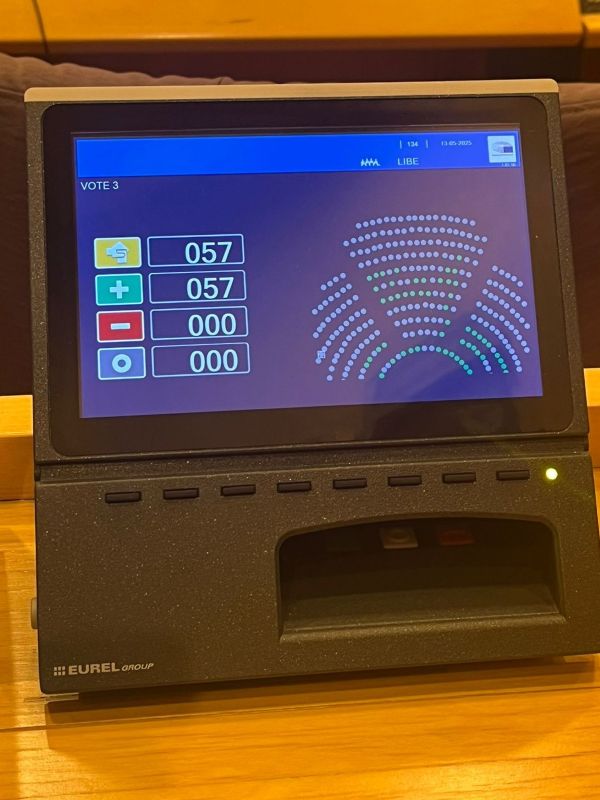
The Civil Liberties Committee ratified the draft position with a unanimous vote of 57 in favour. The European Parliament will debate and vote on this position during the plenary session from 16 to 19 June, after which negotiations with the Council will begin.
