
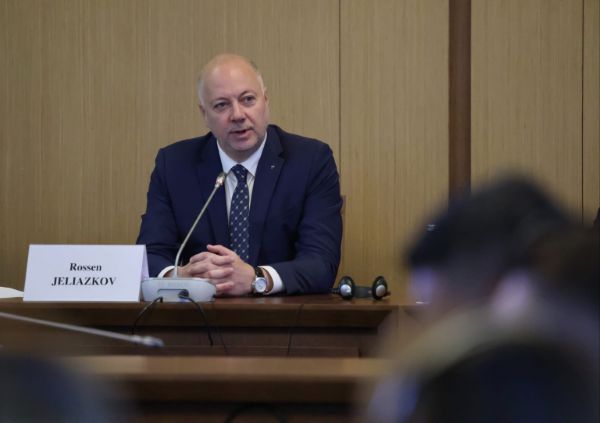
On Thursday, the Bulgarian government announced the withdrawal of its draft budget for 2026, following public protests over considerable tax increases proposed in the budget and warnings from international organisations. This decision was announced by Boyko Borissov, the leader of the ruling centre-right GERB party, who emphasised the need for the government to restore dialogue with employers and labour unions to achieve consensus on state financial matters.
Bulgaria prepares to enter the euro currency union next year. The protests have highlighted widespread concerns about the budget’s economic implications for people and businesses. Notably, the contested budget included increases in social security contributions and a significant rise in the dividend tax.
Prime Minister Rosen Zhelyazkov indicated that the budget, which had previously received initial approval in Parliament, will be revised following consultations with social partners and opposition parties to address identified shortcomings. He stated, “The new budget package should maintain balance and align with the objectives of the governing coalition, ensuring that Bulgaria can join the eurozone on 1 January without complications.”
Opposition figures and business representatives have raised alarms that the proposed tax increases, along with higher social security contributions and anticipated expenditure growth, may impede investment and enlarge the shadow economy. Earlier this week, the European Commission warned that Bulgaria’s draft budget could exceed the EU’s recommended limits on net expenditure growth. Additionally, the International Monetary Fund has advised Bulgaria to adopt a tighter fiscal policy.
In response to these developments, citizens have taken to the streets to express their opposition to the budget, with the largest protest on Wednesday evening. Thousands gathered in front of Parliament to voice their concerns about the government’s plans to increase the state pension insurance contribution by two percentage points and to double the dividend tax to 10%. Protesters also demanded greater transparency in public spending and criticised the projected government expenditure for the upcoming year, which represents approximately 46% of GDP. Organisers estimated that over 20,000 individuals participated in the protest.
Critics of the budget have argued that the intended increases in spending would primarily be financed through elevated taxes on businesses and workers, as well as a substantial increase in public debt. They contend that this approach may lead to inflationary pressures without enhancing the efficiency of public services.
This article used information from The Associated Press.
