
Hungary’s government is taking steps to amend the constitution to remove the country’s president. This initiative is part of a broader strategy by the newly appointed Prime Minister Péter Magyar to replace officials appointed by the former far-right Prime Minister Viktor Orbán. Following a decisive victory in the April elections, Magyar and his Tizsa party now hold a two-thirds majority in parliament, allowing them to implement significant reforms to the political system established during Orbán’s 16-year tenure.
Since assuming office, Prime Minister Magyar has consistently urged President Tamás Sulyok—who was appointed by Orbán’s party—to resign or be removed through constitutional means. Magyar set a 31 May deadline for Sulyok to vacate his position. Although the role of the president in Hungary is largely ceremonial, it includes the critical responsibility of signing legislation into law and the authority to refer bills passed by parliament to the constitutional court for review. This has raised concerns among supporters of the new government regarding the potential for Sulyok to use his powers to impede their legislative agenda.
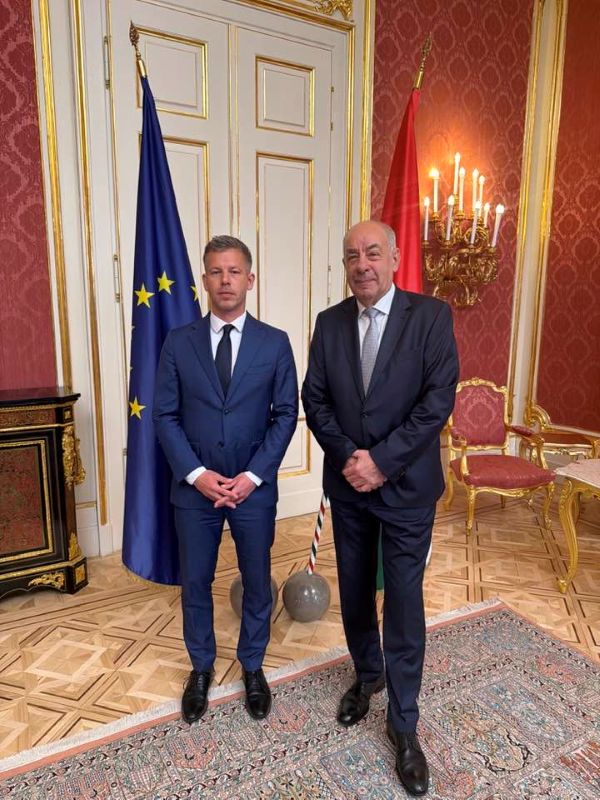
In a meeting at the presidential Sándor Palace on Monday morning, Magyar spoke with Sulyok, who subsequently declined to resign. Following this discussion, Magyar announced during a news conference that he would instruct lawmakers from his party to initiate the necessary procedures for the president’s removal, a process he anticipates will take approximately one month. Magyar emphasised, “Hungary does not belong to Tamás Sulyok, nor to Viktor Orbán. It does not belong to a single party or political system.” He reaffirmed that the constitution clearly defines the president’s role as symbolising national unity and safeguarding the state’s democratic processes.
While specific details regarding the constitutional amendments intended to remove Sulyok have not been disclosed, Magyar expressed concerns about Sulyok’s performance in office, particularly his silence amid controversial statements by Orbán and the passage of legislation banning the LGBTQ+ Pride event.
“It is in Hungary’s interest that this institution—the office of the president—regain the prestige that its silence and inaction have eroded,” Magyar stated.
In response, Gergely Gulyás, the leader of the Fidesz party, released a video on Facebook asserting that “in a constitutional democracy, it is inconceivable for a president to be forcibly removed… before his term of office ends.” He cautioned that if the current government pursues this course of action, it would represent a misuse of the authority granted to it.
On Friday, Sulyok’s office issued a statement expressing concern that Magyar’s calls for resignation “adversely affect both the constitutional functioning and the authority of the institution of the President of the Republic.” Furthermore, the statement noted that Sulyok has requested a legal assessment of the situation from the Venice Commission, a group of legal experts affiliated with Europe’s leading human rights organisation, part of the Council of Europe.
This article used information from The Associated Press.
