
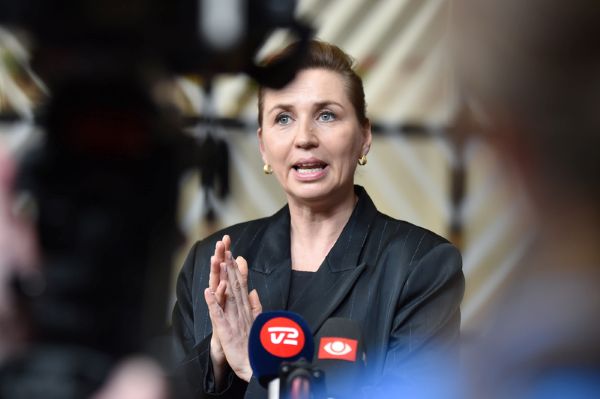
Social Democrat Mette Frederiksen is poised to begin her third term as Prime Minister of Denmark, leading a centre-left coalition composed of four parties following two months of negotiations. The new government will consist of Frederiksen’s own party, the centrist Moderate Party, led by outgoing Foreign Minister Lars Løkke Rasmussen; the Green Left (SF); and the Danish Social Liberal Party, as confirmed by a statement from the Danish Royal House.
In her address, Frederiksen emphasised that the coalition is committed to serving “the people of Denmark, for future generations, and for animal welfare.” Animal welfare emerged as a key issue during the campaign. She previously called for an early election in February, aiming to leverage her forthright demeanour during her discussions with US President Donald Trump concerning the future of Greenland.
Following the March elections, neither the left-leaning nor the right-leaning blocs secured a majority in parliament. Denmark’s system of proportional representation typically results in coalition governments that encompass parties from both sides. Following two unsuccessful attempts to form a government—one by Frederiksen and another by outgoing Defence Minister Troels Lund Poulsen, who sought to establish a centre-right coalition—the current ruling coalition was formed.
A conservative social democrat?
The 48-year-old prime minister has been at the helm of the European Union and NATO member country since mid-2019. In the recent parliamentary elections, her party secured 38 of 179 seats in the single-chamber parliament, a decrease of 12 seats from the previous election in 2022. The Prime Minister is recognised for her steadfast support of Ukraine in its defence against Russia’s invasion and for her stringent approach to migration.
Responding to pressure from the political right and concerns regarding a potential increase in migration due to the ongoing conflict in Iran, she announced proposals this year that may include an “emergency brake” on asylum applications, as well as enhanced controls on individuals with criminal records who lack legal residency. Her administration has already laid out plans to deport foreign nationals who have received sentences of at least one year for serious offences.
Although her popularity waned during her second term due to rising living costs, she experienced a resurgence in public support as her government adeptly navigated the diplomatic tensions sparked by former President Trump’s assertions about Greenland. This issue reached a peak in January, with a brief threat to impose tariffs on European nations that opposed his call for US control over the Arctic territory.
Greenland wasn’t a key electoral campaign issue
In recent months, Greenland has garnered considerable attention from the government; however, it did not emerge as a significant issue during the campaign, as there is a broad consensus regarding its status within the kingdom. Prime Minister Frederiksen cautioned in January that a US acquisition of Greenland would pose a threat to NATO’s integrity. Fortunately, tensions have since subsided. Following Trump’s decision to retract threats to impose tariffs on Denmark and other European nations opposing US control of the Arctic island, technical discussions have commenced among the US, Denmark, and Greenland on an Arctic security arrangement. As a result, issues such as the rising cost of living, pension concerns, and a potential wealth tax have become more prominent topics during the campaign.
This article used information from The Associated Press.
