
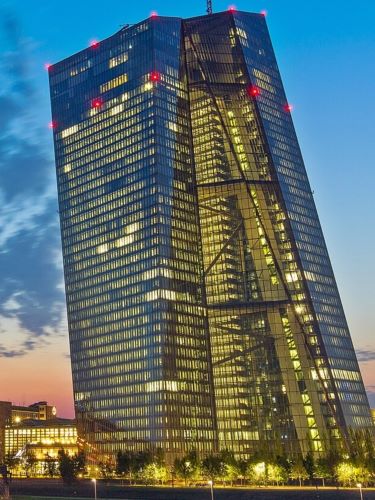
The European economy held up better than expected despite energy disruptions from the Iran War, with gross domestic product growing 0.4% from the previous quarter. The figures from Eurostat cover the July-September period and the 21 eurozone member countries.
The growth is higher than the 0.2% expected by analysts. Year on year, the result is 1.3% higher than in the same period last year. Ireland inflated the result, recording growth of 5.5%. Ireland’s figures are volatile, heavily dependent on the many tech and pharmaceutical companies in the country that are more influenced by global patterns. Without Ireland, eurozone growth was 0.2%.
However, the result showed resilience across the EU, despite France shrinking by 0.1% due to a political climate that generates market uncertainty. Spain, the Netherlands, and Estonia were among the strongest growers, with 0.6% growth, while Europe’s biggest economy, Germany, reported 0.2% growth.
The ongoing energy crisis that spiked prices may still affect the economy, with its effects starting to spill over into other sectors. This may prompt the European Central Bank to raise interest rates at its next meeting in December. Just Thursday, the ECB left interest rates unchanged, but with inflation still at 3.8%, well above the 2% target set by the financial institution, it may decide on a hike to cool inflation.
