
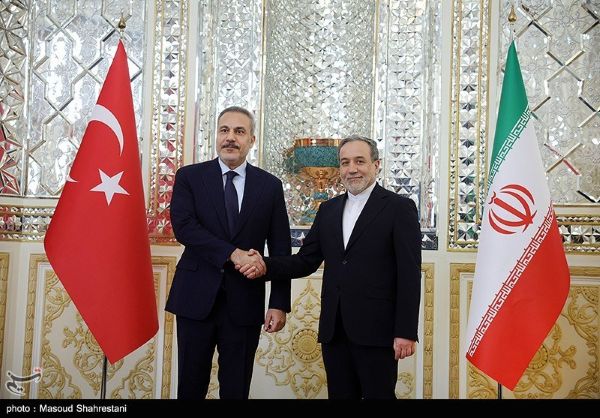
As tensions between Iran and the US mount, Turkey is trying to engineer a summit between the two countries for a deal to end hostilities.
According to the Associated Press, Turkey is in talks with the two parties to arrange a meeting this week between US special envoy Steve Witkoff and Iranian leaders. Both Iran and the US declined to comment on this possibility. Witkoff is set to travel to Israel for a meeting with Prime Minister Benjamin Netanyahu, and then to Dubai for the ongoing talks between Russia and Ukraine. A meeting could be arranged during this trip. Talks about this meeting were also confirmed by an Arab diplomat who anonymously spoke with AP about a possible summit in Turkey between Arab and Muslim countries with the US and Iran.
Meanwhile, the US has moved its USS Abraham Lincoln and other guided-missile destroyers into the area to signal its intentions. US President Donald Trump spoke recently about a possible intervention against Iran as retribution for the violent crackdown of protesters the Iranian regime made in January. Trump fell short of saying what it will take to start an attack, but told reporters in the Oval Office that “right now, we’re talking to them, we’re talking to Iran, and if we could work something out, that’d be great. And if we can’t, probably bad things would happen.”
The deal Trump is talking about would probably involve constraints on Iran’s nuclear programme, a long-standing target for this US administration. In 2025, Witkoff met with Iranian Foreign Minister Abbas Araghchi a couple of times, but no deal emerged from those talks. The US joined Israel last summer during its offensive against Iran, with targeted attacks on Iranian nuclear research centres.
Iran so far has not backed down after cracking down on protesters. Over the last couple of days, it summoned all the European Union ambassadors after the EU designated its paramilitary Revolutionary Guard as a terrorist organisation. In another sign of retaliation, Iran announced that it considers all European armies to be terrorist groups.
The Guard, since its establishment in 1979 following the Iranian Revolution, has been a tool to protect the theocratic power of the country. It runs parallel to the armed forces and, in recent years, has flourished as a separate entity. According to an international investigation, they were behind the brutal repression of the protests that erupted at the beginning of January. Estimates vary, but thousands died in the process. The government set the death toll at 3,117, while the Human Rights Activists News Agency said at least 6,848 died, with 49,930 people arrested.
This article used information from The Associated Press.
