
In its ongoing efforts to influence Armenia’s decision to embrace democratic principles and pursue closer ties with the European Union, Russia has resorted to a combination of interference, disinformation, and economic pressure. During a meeting with Prime Minister Nikol Pashinyan in Moscow on 1 April, Russian President Vladimir Putin cautioned Armenia against strengthening its ties with the EU, asserting that it is “impossible” for Armenia to belong to both the EU and the Russian-led Eurasian Economic Union.
In late May, ahead of the 7 June parliamentary election, Moscow enacted a ban on flower imports from Armenia, alleging that Yerevan engaged in “unfriendly” actions and violated trade agreements. Following this, Russia expanded the ban to encompass a broad range of Armenian products vital to the country’s economy. Specifically, on 22 May, the Russian agriculture watchdog, Rosselkhoznadzor, announced the prohibition on flower imports. Notably, Armenia exports approximately 10% of Russia’s cut tulips, and its roses are offered at prices up to 60% lower than competing imports from Ecuador, according to the Kommersant business newspaper.
In the days that followed, Russia also restricted the import of Armenian wine and cognac produced by various companies. The ban further included fresh tomatoes, cucumbers, peppers, herbs, strawberries, cherries, apricots, plums, peaches, nectarines, and fresh grapes originating from Armenia. Additionally, Rosselkhoznadzor prohibited the import of pome fruits—such as apples, pears, and quince—as well as eggplants, potatoes, and dried fruits. The import of fish and fish products was also halted. On 29 May, the Russian agency prohibited the sale of Jermuk, a well-known Armenian mineral water brand, citing “excessive levels of bicarbonate ions, chlorides, and sulfates.”
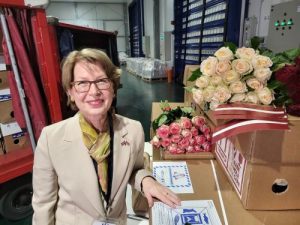
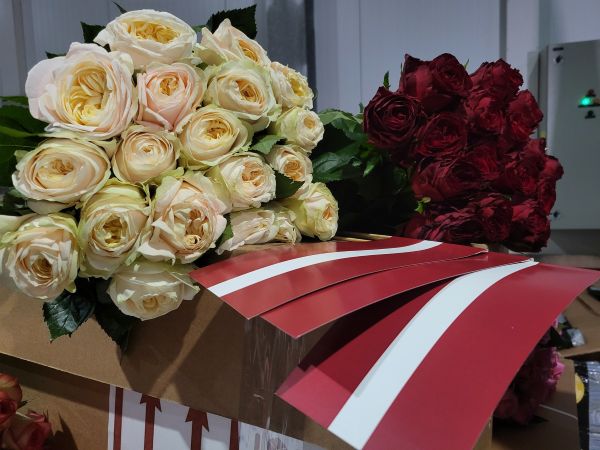
Despite these challenges, there is emerging potential for Armenian products in alternative markets. In a notable gesture of solidarity, Latvia has begun importing Armenian flowers, as Edite Medne, the Latvian Ambassador to Georgia and non-resident Ambassador to Armenia, announced on social media. This initiative not only illustrates support for Armenia but also indicates that the country could significantly benefit from engaging with the EU market.
“Latvia supports Armenia! The first direct cargo of the beautiful Armenian roses has arrived from Yerevan to Riga with airBaltic! Armenian people are free to choose their friends and reliable partners!” Ambassador Medne emphasised in a post on X.
