
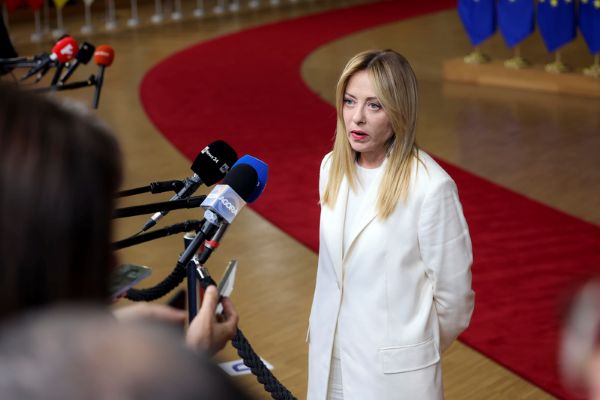
On 28 October, an Italian judge ordered the release of Youssef Siher, a 30-year-old freelance journalist and university researcher, who was accused of helping to orchestrate violent protests. This decision angered Prime Minister Giorgia Meloni, who called it “shameful,” prompting the Milan court to label her comments “unacceptable.”
Siher had been detained by Milan prosecutors on 24 October for incitement to commit crimes with alleged terrorist purposes. However, Judge Tiziana Landoni ruled the investigation flawed, saying there were no serious grounds for the charges and no risk of flight. Siher has always denied any wrongdoing.
Police identified him as the administrator of the “17 October Movement” Telegram group, linked to protests in Milan. Investigators claimed he published “subversive content” urging protests, but the judge noted that other group members, not Siher, made similar comments.
This case matters because it involves a new offence introduced under a security decree from Meloni’s government, which imposes prison sentences of four to twelve years for organisers of groups that threaten public safety during demonstrations. Legal observers have expressed concern over Siher’s arrest and criticised media coverage that has portrayed him as guilty.
