
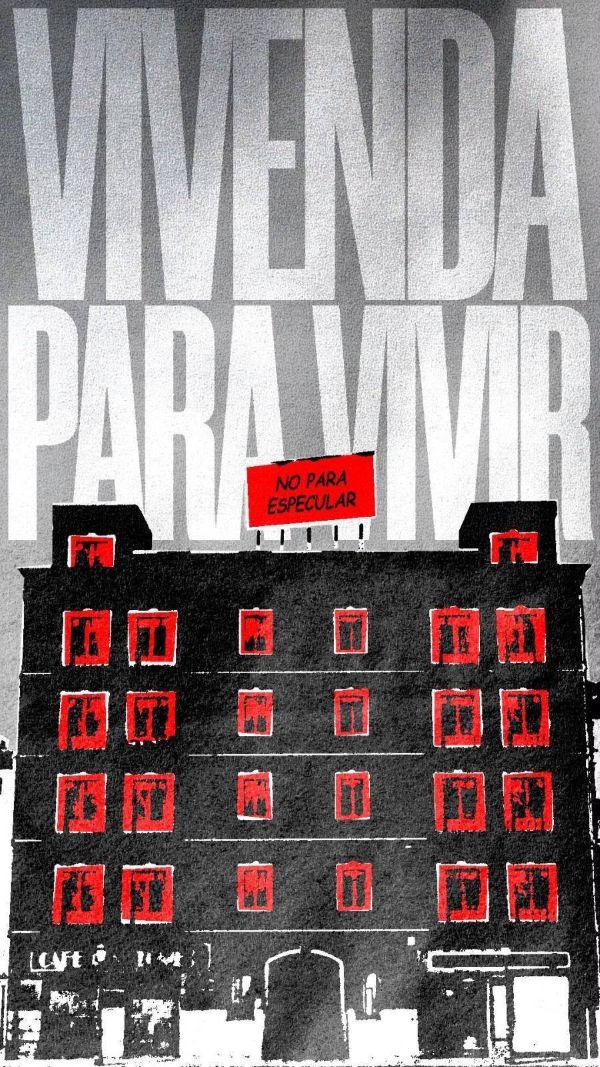
On Thursday, Spain’s interim lower house of parliament approved housing measures to mitigate evictions and address real estate speculation. This legislative action followed a nationwide strike and major street protests that highlighted ongoing challenges with housing affordability in the country. The implementation of these measures, however, depends on the results of the upcoming national election later this month. The leading opposition party, the conservative People’s Party (PP), has said it would repeal these housing measures if it gains power, a scenario that recent polls suggest is plausible.
Interim Housing Minister Isabel Rodríguez remarked, “Yesterday, the right to housing was championed on the streets and in workplaces, and I hope it will prevail again at the ballot box,” in reference to the general strike and the impending election on 29 November.
The government’s efforts to introduce these measures commenced in October, driven by growing public concern over soaring rents, particularly following the widely publicised eviction and subsequent death of an 87-year-old woman in Madrid. However, the PP and other conservative and far-right parties cooperated to reject these initiatives in parliament. In response, Prime Minister Pedro Sánchez announced an early election. The government subsequently sought to reintroduce the measures in a smaller interim parliament that offered a more favourable distribution of seats for progressive parties.
To streamline the process, the government divided the measures into two decrees. One particular measure, which appeared unlikely to succeed from the outset, was separated into a second decree to protect the viability of the remaining proposals. The first decree, encompassing a successful package of measures, was approved on Thursday, while the second decree was, as expected, again rejected.
Eviction protection for tenants
The interim lower house currently comprises 69 members, compared with the 350 members of the regular parliament, which was dissolved before the upcoming election. In a closely contested vote, the first decree was approved with a margin of 35 to 34.
This decree introduces several important measures, including extending eviction protections for tenants identified by social services as being in precarious financial or social circumstances. These protections will remain effective until regional authorities can provide alternative housing solutions, with a validity period extending until 2030.
Additionally, the decree seeks to mitigate real estate speculation by prohibiting any company engaged in the real estate market from acquiring properties for less than 70% of their assessed value. This provision aims to discourage bulk purchases of properties at undervalued prices, followed by resale at inflated rates.
Moreover, the decree freezes rent increases for properties already exceeding the reference price set by the government’s neighbourhood price index. It also introduces a 10% tax on properties rented to tourists, specifically targeting listings on popular online platforms such as Airbnb, which have drawn significant public criticism. Lastly, the decree includes tax incentives designed to promote long-term leasing and offers government-backed loans to assist with down payments for residential housing.
Lawmakers again reject indefinite leases
Rejection of the second decree, which aimed to establish automatic renewal of residential leases for tenants, has raised significant concerns. The proposal included a provision that would have required landlords to compensate tenants with a year’s rent if they sought to terminate contracts. Many lawmakers expressed concern that this measure could incentivise homeowners to remove properties from the rental market, potentially reducing supply and driving further price increases.
The decree was ultimately rejected by a narrow margin of 34-35 votes. A centre-right Basque party aligned with the right-wing bloc, despite having supported the previous decree. In response to the minister, PP lawmaker Sergio Sayas critiqued the government’s performance, stating, “You promised us more housing, but all we have received is rhetoric.”
The PP has committed to facilitating the construction of one million new homes and aims to streamline taxes and regulatory processes for real estate development if it regains power after eight years of Socialist-led governance.
This article used information from The Associated Press.
