
Italy is considering reactivating nuclear energy after a 4-decade absence following the Chornobyl nuclear disaster and multiple referendums on the topic.
Giorgia Meloni‘s government is spearheading a new energy policy that includes a soft reversal of the ban. Parliament is poised to approve legislation establishing a legal framework for next-generation nuclear technologies. This new government’s strategy centres on small modular reactors (SMRs) and advanced nuclear technologies.
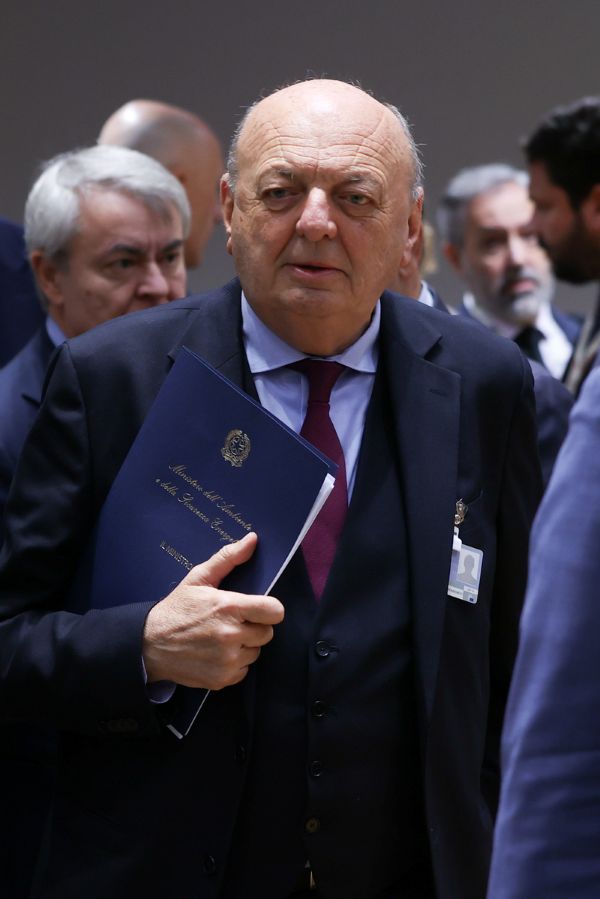
Environment and Energy Security Minister Gilberto Pichetto Fratin described them as “much safer” and more suitable to Italy’s needs. These could begin operating between 2033 and 2035, addressing projected 30% increases in electricity demand while supporting climate goals.
To support this nuclear energy revival, the government hopes to gain support from younger generations.
Italy had two referendums on nuclear energy, but after nuclear disasters. The first, in 1987, closed what was once one of Europe’s most advanced nuclear programmes due to fear after the Chornobyl nuclear disaster, the second, in 2012, in the wake of Fukushima’s fallout, only served to confirm Italians’ weariness of nuclear energy.
However, younger generations are less afraid of nuclear energy and less sceptical about its potential dangers. A June 2026 survey reveals 55% of Italians support next-generation nuclear plants, with younger generations leading this shift. Unlike older Italians who remember Chornobyl as defining nuclear energy’s risks, younger Italians increasingly view atomic power through the lens of technological progress and climate solutions.
Despite this momentum, significant challenges remain. Critics question the economics, with estimates suggesting a single 300-megawatt SMR could cost between €3 and €6 billion. The political test ahead involves finding suitable locations for reactors and waste storage, as public support typically drops when local implementation is considered.
This article used information from The Associated Press.
