
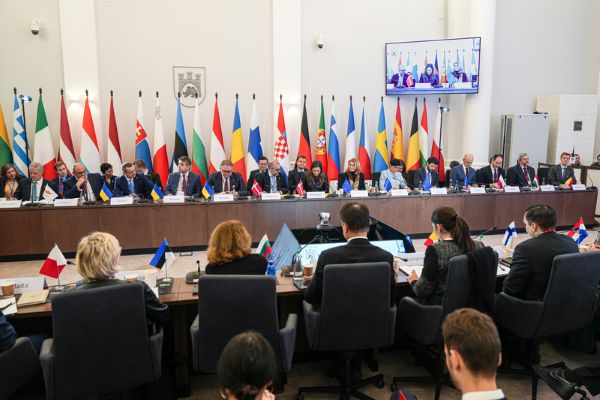
The European Union has indefinitely frozen Russia’s assets in Europe to prevent Hungary and Slovakia, both of which have pro-Moscow governments, from obstructing the use of billions of euros to support Ukraine. Utilising a special procedure designed for economic emergencies, the EU has blocked these assets until Russia ceases its aggression against Ukraine and compensates the nation for the significant damage it has caused over nearly four years.
EU Council President António Costa stated that European leaders had committed in October to keep Russian assets immobilised until Russia ends its war and provides compensation for the damage inflicted. He emphasised that the EU has now delivered on that commitment. This decision is crucial as it will enable EU leaders to discuss at an upcoming summit how to utilise tens of billions of euros in Russian Central Bank assets to facilitate a substantial loan to assist Ukraine in addressing its financial and military requirements over the next two years. Costa noted, “Next step: securing Ukraine’s financial needs for 2026–27,” and he will chair the summit on 18 December.
Additionally, this move ensures that the estimated €210 billion in frozen assets cannot be used in any negotiations to conclude the war without European approval. A 28-point plan created by U.S. and Russian envoys suggested that the EU release the frozen assets for utilisation by Ukraine, Russia, and the United States. However, this plan, which emerged last month, was rejected by Ukraine and its European allies.
French Foreign Minister Jean-Noël Barrot expressed on X that the EU’s decision signifies that “no one will decide on behalf of the Europeans regarding the use of these funds.”
Hungary and Slovakia object
As of the end of September, approximately €193 billion is held in Euroclear, a Belgian financial clearing house. These assets were frozen under sanctions imposed by the European Union on Russia in response to the conflict that began on 24 February, 2022. It is important to note that these sanctions must be renewed every 6 months and require the approval of all 27 EU member states.
Hungary and Slovakia have expressed opposition to further support for Ukraine. However, today’s decision has removed their ability to block the renewal of the sanctions, thereby facilitating the potential use of these frozen assets. Hungarian Prime Minister Viktor Orbán has raised concerns about this development, calling it a departure from the rule of law within the European Union. He stated that the European Commission is undermining European legal frameworks to perpetuate the conflict in Ukraine, which he believes is unwinnable. Orbán also emphasised Hungary’s commitment to restoring lawful order.
In a letter to President Costa, Slovak Prime Minister Robert Fico reiterated his refusal to support any initiatives that would entail financing Ukraine’s military expenses for the coming years. He warned that the utilisation of frozen Russian assets could pose a risk to U.S. peace efforts, which depend on these resources for Ukraine’s reconstruction.
The European Commission argues that the ongoing war has imposed high costs, including higher energy prices and economic stagnation within the EU, and that the EU has already provided nearly €200 billion in support to Ukraine. Belgium, the country where Euroclear is based, opposed the proposed “reparations loan” plan, citing substantial economic, financial, and legal risks. Belgium has encouraged other EU nations to share these risks as discussions proceed.
Russia takes legal actions
Russia’s Central Bank filed a lawsuit in Moscow against Euroclear, seeking damages after being barred from managing its assets. Euroclear holds approximately €17 billion in Russian assets, and the outcome of the lawsuit remains uncertain.
The Central Bank criticised EU plans to use Russian assets to support Ukraine, labelling them “illegal” and a violation of sovereign immunity. EU Economy Commissioner Valdis Dombrovskis dismissed the lawsuit as “legally robust” and expects ongoing legal challenges from Russia.
Chris Weafer, CEO of Macro-Advisory Ltd., noted that the lawsuit’s timing is linked to the EU’s intention to use frozen assets, warning that the Central Bank will respond legally to countries involved in seizing Russian funds.
This EU decision came shortly after Germany summoned the Russian ambassador over allegations of sabotage and election interference.
This article used information from The Associated Press.
