
On Tuesday, the European Parliament approved a provisional agreement on harmonised insolvency standards, with 498 votes in favour, 90 against and 28 abstentions. The new rules enhance insolvency coordination among EU member states and make the EU more appealing to foreign and cross-border investors.
To improve capital market operations and facilitate cross-border investment, the European Commission introduced new rules in December 2022. These rules streamline asset tracing by providing insolvency practitioners with access to beneficial ownership registers and national databases.
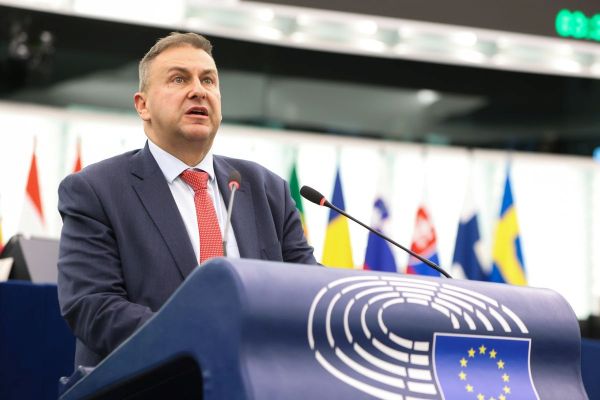
“The new EU insolvency rules will make procedures faster and more cost-effective, while strengthening protection for all parties involved. Enhanced access to registers for insolvency practitioners will ensure more effective asset recovery, particularly in cross-border cases. The introduction of pre-pack proceedings will accelerate the sale of companies in financial difficulty, helping to preserve jobs. The reform aims to provide greater legal certainty for businesses and investors, supporting increased cross-border investment and strengthening confidence in the European economy,” Legal Affairs Committee (JURI) rapporteur Emil Radev (EPP, BG) said after the plenary vote.
The legislation ensures that all insolvency practitioners have equal access to the courts and that any legal actions taken by a company within three months of insolvency that favour some creditors over others will be void. Additionally, a creditors’ committee may be established to protect creditors’ interests.
“Pre-pack proceedings,” allowing the sale of operational debtor businesses, will now be available across the EU, with debtors maintaining partial control of their assets during the preparation phase. The rules will also make it easier for micro-enterprises to undergo simplified winding-up procedures and impose stricter requirements on directors of insolvent companies.
Once approved by the member states, the directive will enter into force 20 days after its publication in the Official Journal.
