
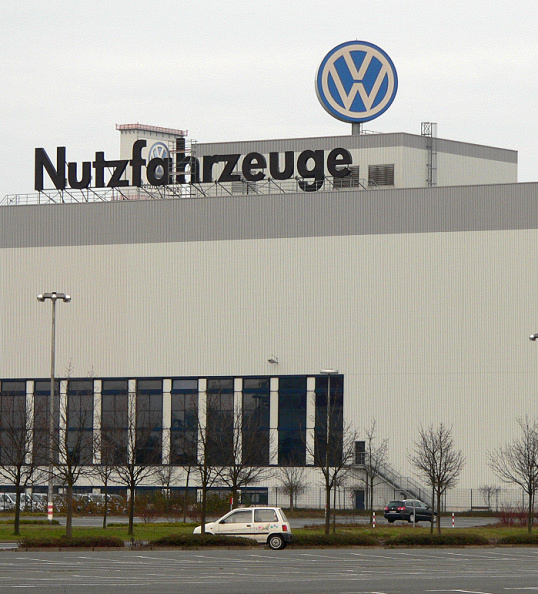
On Thursday, Volkswagen’s board of directors approved an extensive cost-cutting plan to address various challenges the company faces. This strategic initiative includes reducing the workforce by 50,000 positions, significantly reducing the model lineup by approximately 50%, and ceasing production at four German manufacturing plants.
Proposed by CEO Oliver Blume, the plan seeks to enhance the company’s competitiveness amid rising low-cost competition from China and navigate the complexities posed by US tariffs.
Blume remarked that this decision serves as a strong indicator of the Volkswagen Group’s commitment to its future. He emphasised that the plan is designed to enhance the attractiveness, strength, and competitiveness of the company’s esteemed brands. The reduction in the number of models is expected to increase production volumes per model, thereby lowering fixed costs.
The board’s statement outlined an adjustment to employee numbers across various roles, including management positions. It also indicated that there is currently an excess production capacity of approximately 500,000 vehicles in Europe and that future production allocations for the plants in Emden, Zwickau, Hanover, and Neckarsulm cannot be assured; however, alternative uses for these facilities will be explored.
Chief employee representative Daniela Cavallo acknowledged the necessity of these changes for the company to progress successfully into the next decade, emphasising that the responsibility for transformation should not fall solely on employees. With labour representatives holding half of the board seats, and the Lower Saxony government maintaining two seats, there is a collaborative approach to navigating this transformative phase.
Governor Olaf Lies of Lower Saxony recognised the significant challenges confronting Volkswagen and noted that the approved plan represents a shared path toward essential transformation. Volkswagen, which employs approximately 650,000 people, reported a 30% decline in after-tax earnings in the first half of the year, attributed to diminished sales in China. In addition to the core Volkswagen brand, the company’s portfolio also includes Audi, Skoda, Porsche, and SEAT.
This article used information from The Associated Press.
