
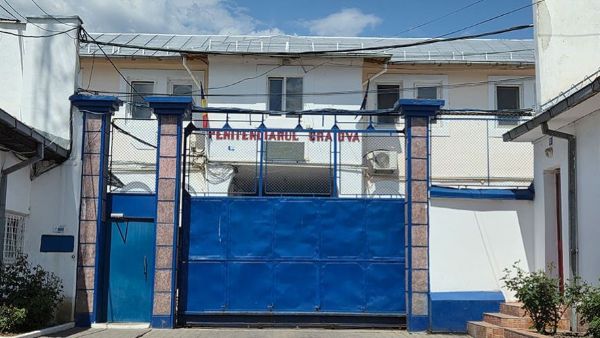
The Romanian authorities have made progress in addressing the mistreatment of detainees. However, detention conditions remain poor in police stations, and prison overcrowding is still a serious issue, according to a report by the Council of Europe’s Committee for the Prevention of Torture (CPT).
During their 2025 visit to Romania, the CPT assessed five police facilities, four prisons, and two youth detention centres. While the CPT noted improvements in police conduct and a zero-tolerance policy towards ill-treatment, some allegations of physical abuse, including against children, were reported.
To further combat ill-treatment, the authorities should implement additional measures such as training in non-coercive interviewing, expanding technological support, and allowing prosecutors their own investigators.
Conditions in police detention facilities are still unacceptable, marked by overcrowding, poor hygiene, and insufficient food. Many facilities are underground, limiting natural light, and detainees often lack meaningful activities, with outdoor access usually allowed for just one hour a day. The CPT warns that prolonged detention under these conditions could be considered degrading treatment and urges the authorities to improve material conditions and ensure that the National Prison Administration manages pre-trial detainees.
Overcrowding and living conditions in prisons still problematic
The CPT acknowledges the Romanian authorities’ efforts to reform the prison system but highlights ongoing overcrowding, with prisons operating at 119.5% capacity and a 20% increase in the prison population since 2020. Conditions are particularly poor in Iaşi (140%) and Botoşani (130%) prisons, where many inmates have only 2 to 3 m² of space, poorly maintained cells, and frequent infestations.
The Committee urges authorities to ensure at least 4 m² per person in multiple-occupancy cells and to analyse the causes of overcrowding to stabilise or reduce the prison population. Although there has been progress in preventing ill-treatment by staff, inter-prisoner violence remains a concern, especially among young adults and in maximum-security areas.
Staffing is insufficient across all prisons visited, prompting calls for urgent reinforcement, especially in maximum-security units. While opportunities for out-of-cell activities have increased, access to purposeful activities and vocational training remains limited.
Healthcare documentation has improved, but staffing shortages among general practitioners and nurses persist. The CPT emphasises the need for measures to ensure medical confidentiality and better mental healthcare. It also calls for proper regulation of padded cells and the cessation of mechanical restraints and tear gas use, as well as the end of routine truncheon carrying in prisons. Lastly, self-harm and attempted suicide should not be treated as disciplinary offences.
Allegations of ill-treatment and excessive use of force
The CPT urges Romanian authorities to reconsider the locations of educational and detention centres to better align with residents’ origins and support community reintegration. While residents generally praised the staff, there were allegations of ill-treatment and excessive use of force, particularly at Craiova and Târgu Ocna, where inter-resident violence was severe.
The CPT calls for a review of violence-prevention policies and enhancements to educational approaches. Staff should not carry batons. While living conditions were generally acceptable, improvements are needed at Târgu Ocna, including the possibility of single-room accommodations.
In response, the Romanian authorities noted plans to expand and modernise the prison estate from 2026 to 2030 and are reassessing staffing needs within budgetary limits. They also intend to amend legislation regarding healthcare staff certification for prisoners undergoing disciplinary actions related to self-harm and attempted suicide.
