
Europe is preparing for a challenging winter as rising energy prices from the Middle East conflict reduce gas and oil availability and pressure the EU’s competitiveness.
To address these challenges, the European Commission has proposed postponing certain provisions of the EU Methane Regulation for importers for one year. This postponement aims to ease pressure on industries and provide more time to comply with monitoring and reporting requirements for natural gas, oil, and coal imports.
Despite this delay, the EU remains committed to reducing methane emissions, and the Commission will submit the amendment to the European Parliament and Council for approval.
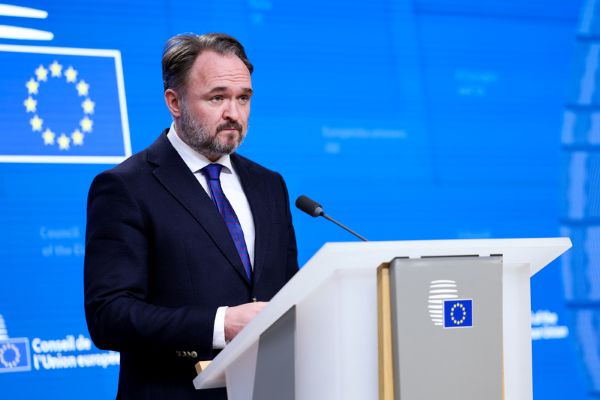
“Europe’s ambition in the fight against climate change remains unflinching. But as we approach a difficult winter for energy prices, we need to be flexible and pragmatic in implementing our rules. The priority now is to shield European citizens from the price volatility we are facing, and avoid any potential additional risk to energy supplies at a time of global constraints,” said Dan Jørgensen, Commissioner for Energy and Housing.
A timely agreement is essential to maintain regulatory certainty, and the Commission will continue working with Member States and stakeholders to fully implement the Regulation while monitoring any potential impacts on supply security.
Methane is the second largest greenhouse gas emission after CO2. The EU’s Methane Regulation, adopted in 2024, is the first global legislation to regulate methane from oil, gas, and coal imports, promoting transparency and emissions reduction. In 2026, the European Commission issued compliance recommendations and sought feedback on reporting templates for methane emissions.
