
The European Commission has published its fifth annual report on the Recovery and Resilience Facility (RRF), confirming that the EU’s flagship post-pandemic instrument is helping member states with new reforms and with programmes aimed at green and digital transitions.
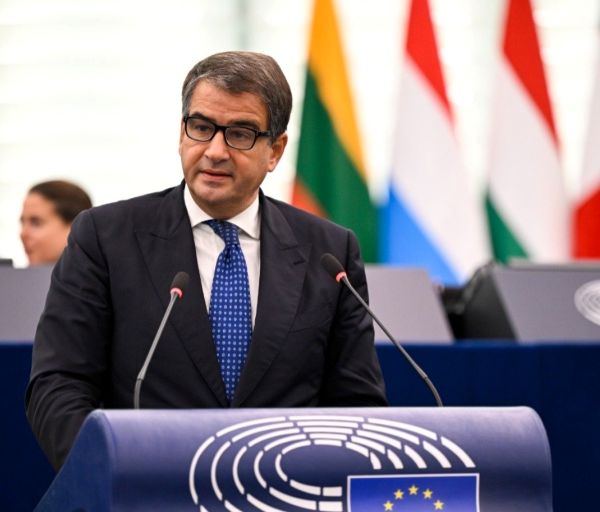
Launched in 2021 under NextGenerationEU to cope with post-COVID recovery, the RRF is entering its final stretch. According to Raffaele Fitto, EU Commissioner for Cohesion and Reform, “it has delivered reforms and investments that are modernising our economies and creating new opportunities for citizens and businesses. Europe responded to an unprecedented crisis with an unprecedented common effort.”
Member States had until 31 August 2026 to complete the milestones and targets set out in their national plans, and the Commission is now assessing the last 32 payment requests. The remaining €123 billion of the facility, around 21% of the total, is set to be disbursed by the end of the year. “We are now focused on assessing the final payment requests and bringing the Facility to a successful conclusion,” said Valdis Dombrovskis, Commissioner for Economy and Productivity.
Across the programme’s lifetime, member states committed to almost 6,000 milestones and targets. Of these, 4,082 have been fulfilled, and the Commission is assessing another 1,899.
The green transition accounts for the single largest share of RRF spending, with €287 billion allocated to climate-related reforms and investments. The Commission estimates that supported investments will deliver annual greenhouse gas savings equivalent to 1.5% of EU emissions against a 2021 baseline, with accompanying reforms potentially adding a further 1.4%. Flagship programmes include the Czech Republic’s rollout of low-emission heating and solar installations, expected to save at least 500,000 tonnes of CO2 equivalent per year, and Poland’s regulatory overhaul to expand wind and photovoltaic capacity, expected to cut emissions by around 4% compared to Poland’s 2021 total.
At €140 billion, digital transformation is the facility’s second-largest spending area. Highlights include Austria’s broadband expansion and digitalised court systems in Bulgaria, Malta, the Netherlands, and Portugal. The funds also supported major structural reforms in other sectors, such as Italy’s sweeping justice reform, Spain’s labour market overhaul, and red-tape cuts in Germany and Cyprus.
