
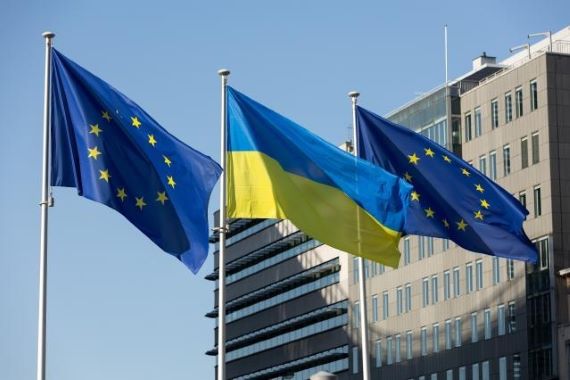
On the solemn occasion of the fourth anniversary of the Bucha massacre, which occurred between February and March 2022, the Council has adopted sanctions against nine individuals who played pivotal roles in these tragic events and bear responsibility for actions that undermine or threaten the territorial integrity, sovereignty, and independence of Ukraine.
In light of Russia’s military aggression against Ukraine that commenced in February 2022, the European Union has significantly expanded its sanctions against Russia. The primary objective of these sanctions is to diminish Russia’s economic foundation, deprive it of advanced technologies and markets, and reduce its capacity to sustain military operations.
Notably included in this list is Colonel General Aleksandr Chayko, the former Commander of the Eastern Military District and the highest-ranking Russian military officer present in Ukraine at the onset of the full-scale invasion. He served as the lead Commander during the entry of Russian troops into Bucha.
Additionally, the new listings encompass other senior military officials who oversaw Russian forces during the initial phases of aggression and who are implicated in committing atrocities against the residents of Bucha and nearby regions, including Hostomel, Irpin, and Borodianka.
These individuals led their units at a time when numerous civilians were tragically murdered, often as a result of brutal executions. The troops under their command were also engaged in looting, torture, and compelled civilians to dispose of the bodies of deceased Russian soldiers. Furthermore, one of the listed individuals is implicated in the illegal deportation to Russia of a child adopted from the Russian-occupied Donetsk Oblast. The actions of these individuals constitute crimes against humanity and war crimes.
As a result, these nine individuals are now subject to asset freezes, and EU citizens and companies are prohibited from providing financial support to them. They also face travel bans that prevent entry into or transit through EU member states.
Currently, these restrictive measures extend to approximately 2,600 individuals and entities in response to Russia’s ongoing unjustified and unprovoked military aggression against Ukraine. The relevant legal acts have been published in the Official Journal of the European Union.
