
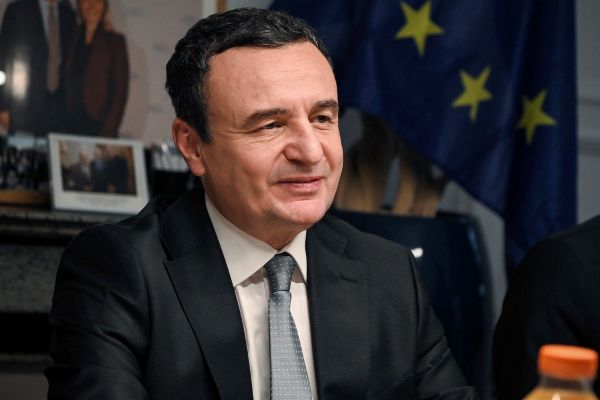
On Sunday, Kosovo lawmakers voted to install a new government led by Prime Minister Albin Kurti following an early election in June. The small Balkan country remains in a prolonged political crisis. Kurti’s government secured support from a slim majority of 62 lawmakers in the 120-member assembly. However, opposition lawmakers boycotted the session, accusing Kurti of violating post-election procedures.
Disagreements among key political players in Kosovo have created a standoff that has lasted more than 18 months and remains unresolved despite two early elections. Lawmakers were unable to elect deputy speakers of the assembly, which the opposition insisted must occur before proceeding with the vote on the new government.
The crisis initially began after the February 2025 election, in which no party obtained enough votes to form a government. An early election in December 2025 allowed Kurti to form a government, but the parties could not agree on the presidency. To elect a president, Kosovo’s assembly requires a quorum of at least 80 lawmakers, which Kurti did not have.
Although Kurti’s ruling centre-left Vetevendosje party won the most votes again in June, it received fewer votes than in the previous election, reflecting growing voter disappointment and frustration. Opposition parties plan to present the alleged post-election procedural mistakes to the Constitutional Court. If the political crisis continues, it could lead to another early election in Kosovo.
Kosovo is one of Europe’s youngest and poorest countries. The predominantly ethnic Albanian country declared its independence from Serbia in 2008, following a 1998-99 war that ended with NATO bombing that forced Serbia to withdraw. The United States and most EU countries have recognised Kosovo, but Serbia and its allies, Russia and China, have not. Pristina and Belgrade have been urged to improve their relations to advance their EU membership bids.
This article used information from The Associated Press.
