
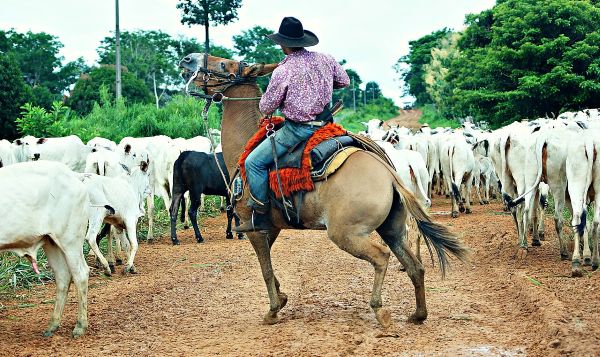
Brazil’s government and exporters of meat, poultry, eggs, honey, and other animal products rushed to respond after the European Union suspended imports due to concerns over antibiotics and antimicrobial drugs in livestock. President Luiz Inácio Lula da Silva’s agriculture ministry expressed frustration over the lack of dialogue before the EU’s decision, stating the suspension does not reflect the strong partnership between Brazil and the EU. Brazil produces approximately 11% of the world’s total meat production.
The suspension, announced on Tuesday and effective two days later, follows the EU’s May declaration that Brazil would be removed from the list of countries authorised to export certain animal products. This was due to Brazil’s failure to meet EU standards related to antibiotic growth promoters and other restricted drugs.
The Brazilian Association of Meat Exporting Industries (ABIEC) voiced concern, stating that while Brazilian beef will still be sold to markets that allow it, the EU market is unique and cannot be easily replaced. The Confederation of Agriculture and Livestock of Brazil argued that the EU’s suspension nullified expected trade benefits and overlooked Brazil’s strict health inspection system.
The agriculture ministry noted that Brazil reserves the right to take measures to ensure balanced trade, citing relevant laws and agreements with the EU. The EU did not respond to inquiries, and a new compliance list for antimicrobials is set to take effect on 3 September.
Robson Goncalves, an economist and professor at Fundação Getúlio Vargas, anticipates that the EU will implement further measures affecting Brazil until the EU-Mercosur agreement is fully ratified. At present, the agreement remains provisional, pending a ruling from the European Court of Justice.
Goncalves commented, “These are the last attempts to shield European agribusiness from competition posed by Mercosur agribusiness.” He characterised the mechanism used to restrict Brazilian exports as a “political measure” orchestrated by the EU, given that the trade agreement with Mercosur has yet to be fully enacted. He also noted that similar initiatives are likely to be introduced in the coming years.
This article used information from The Associated Press.
