
European Union leaders convened on Friday to agree on a substantial, interest-free loan to Ukraine to address the nation’s military and economic needs over the next two years. However, negotiations with Belgium regarding the utilisation of frozen Russian assets to fund this initiative did not reach a successful conclusion. According to estimates from the International Monetary Fund, Ukraine will need approximately €137 billion over 2026 and 2027 as it continues to navigate the challenges posed by nearly 4 years of conflict. The Ukrainian government is facing a critical financial situation and requires these funds by spring.
The original strategy included tapping into the €210 billion of Russian assets currently frozen across Europe, predominantly in Belgium. In an effort to secure Belgium’s support for the “reparations loan” plan, EU leaders engaged in extensive discussions into Thursday night, assuring Belgium of protections against potential Russian retaliation. Ultimately, as talks reached an impasse, the decision was made to raise the necessary funds through the capital markets.
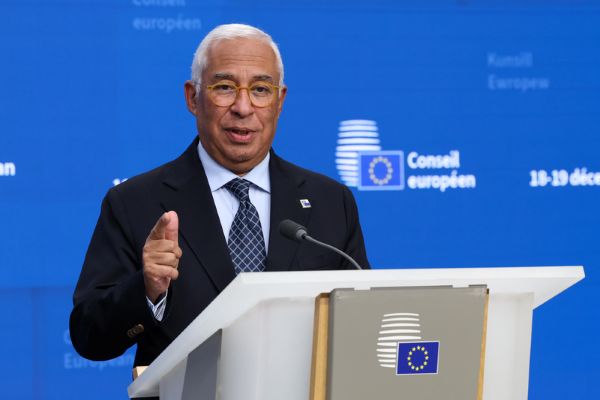
“We have a deal. Decision to provide €90 billion of support to Ukraine for 2026-27 approved. We committed, we delivered,” EU Council President António Costa said in a post on social media.
Several countries did not reach a consensus regarding the loan package for Ukraine. Hungary, Slovakia, and the Czech Republic, led by pro-Moscow far-right parties, expressed their opposition to supporting Ukraine. However, a resolution was reached in which these nations did not obstruct the package and were assured protection against potential financial consequences.
French President Emmanuel Macron characterised the agreement as a significant advancement, emphasising that borrowing from capital markets was the most pragmatic approach to support Ukraine and its wartime efforts. German Chancellor Friedrich Merz echoed this sentiment, stating, “The financial package for Ukraine has been finalised.” He indicated that Ukraine is set to receive a zero-interest loan, deemed adequate to meet the country’s military and budgetary requirements for the next two years.
Merz further noted that frozen assets will remain untouched until Russia fulfils its obligations for war reparations to Ukraine, which he estimates will exceed €600. He affirmed, “Should Russia fail to pay reparations, we will, in full adherence to international law, utilise Russian immobilised assets for the repayment of the loan.”
Ukrainian President Volodymyr Zelenskyy has emphasised the need for an expedited decision to ensure Ukraine’s stability in the upcoming year. Polish Prime Minister Donald Tusk has highlighted the gravity of the situation, suggesting it may require a choice between providing immediate financial aid and facing significant challenges in the future: “either money today or blood tomorrow,” stressed Tusk.
Complications have emerged regarding the plan to utilise frozen Russian assets, as Belgian Prime Minister Bart De Wever has expressed concerns about the legal risks associated with this approach. He cautioned that proceeding with the plan could adversely affect Euroclear, the Brussels-based financial clearing house that holds €193 billion in frozen assets.
Additionally, Belgium experienced a further complication last Friday when Russia’s Central Bank filed a lawsuit against Euroclear, seeking to prevent any loans to Ukraine from being extended from these frozen funds, which are subject to EU sanctions imposed following Russia’s full-scale military invasion in 2022.
“For me, the reparations loan was not a good idea,” De Wever told reporters after the meeting. “When we explained the text again, there were so many questions that I said, I told you so, I told you so. There are a lot of loose ends. And if you start pulling at the loose ends in the strings, the thing collapses.”
“We avoided stepping into a precedent that risks undermining legal certainty worldwide. We safeguarded the principle that Europe respects law, even when it is hard, even when we are under pressure,“ he said. He added that the EU “delivered a strong political signal. Europe stands behind Ukraine.”
Costa emphasised that the EU “reserves its right to make use of the immobilised assets to repay this loan.”
This article used information from The Associated Press.
