
The European Union unveiled its first-ever Visa Strategy in order to create a framework to attract skilled workers without compromising security or visitor access.
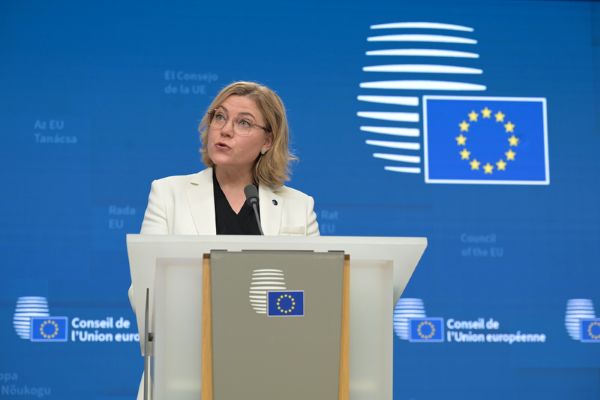
Presenting the strategy, the Commission Executive Vice-President Henna Virkkunen called the new tool “strategic” and added that “a modern, reliable and efficient visa system strengthens security and trust with partners while helping attract highly skilled professionals, innovative ideas and investment, and supports Europe’s position as a destination of choice for talent.”
The new system will upgrade visa security checks, with a new model to grant visa-free status to countries and stronger control measures to eventually revoke those privileges in case of misuse or other malpractices. This way, the EU grants itself the power also to withdraw, limit, and refuse visa applications in response to what it may perceive as “hostile actions” by other countries.
“With this Strategy, we are showing the European Union is ready to shape mobility on our own terms, strengthening our capacity to protect our borders and uphold the integrity of Schengen while attracting the skills our economy and societies need to thrive,” said Magnus Brunner, Commissioner for Internal Affairs and Migration.
The major contribution of the new system is for workers and visitors. The EU designed the Visa Strategy to maintain and enhance the EU’s attractiveness as a centre for skilled workers and tourism. To simplify the process for visitors, the current European Travel Information and Authorisation System (ETIAS) will be upgraded to allow visitors to complete their applications entirely online by the end of 2026. In addition, travellers with strong credentials will have access to longer, multiple-entry visas.
To attract workers, the Commission will start setting up European Legal Getaway Offices in selected countries worldwide to help locals with job opportunities and visa applications. The first of these offices will open in India. The Commission is also at work on new amendments for students, researchers and other skilled workers to enter and prolong their stay in the bloc. The Commission will thus recommend that member states create simpler, faster visa procedures, including easier visas to facilitate smoother transitions from studying to working in the EU.
