
A new threat to European security is on the rise, with authorities finding difficulties in investigating and preventing young people online from radicalising.
“It’s violence for the sake of violence,” European Union Counter-Terrorism Coordinator Bartjan Wegter told The Associated Press in an interview. He is referring to the so-called nihilistic violent extremism. This new type of terror is hard to predict and to prevent, as they always involve young people, mostly male, without prior history of radicalisation. Often, this type of violence is not linked directly to any ideology.
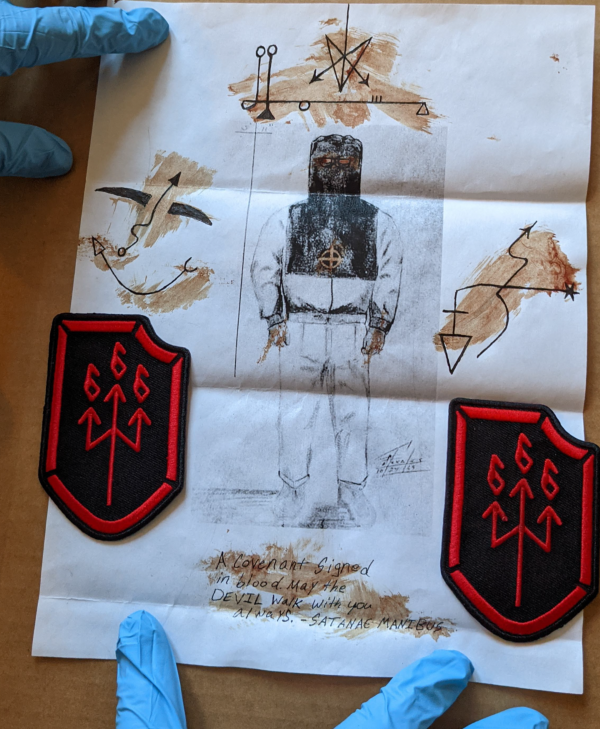
Some organisations promote and convert people to their cause, but details remain unclear, and authorities find it hard to investigate potential groups. One of the few identified ones is called 764, founded by American Bradley Cadenhead, currently in prison for child pornography and sex offences. Despite his arrest, the group remains active online, with a 20-year-old German arrested in 2025 and charged with 123 offences, believed to be a leading member of the organisation.
This type of violence is also hard to categorise, with definitions changing between countries, and some events may also be classified as ordinary criminality. Some episodes still linger, though. In Finland, a 16-year-old boy stabbed three female students after he shared a “manifesto” online in which he confessed his will to do something “significant” and “exciting”. Another famous case happened in Italy where a 15-year-old planned a murder just for notoriety and had a wide collection of assaults, murders, school shootings and child pornography on his smartphone.
“It’s very much a fascination with violence. It’s violence as a means of asserting oneself, as a means of gaining status in those online communities,” Wegter said. He called for more control of online spaces, because today it’s too permissive and young people are too often radicalised in encrypted spaces or communities.
Last year, the EU police agency Europol reported 45 terrorist attacks in 10 EU countries, none of them major. The death toll has also been down to six, with around half of the attempts foiled or failed. Despite the growth of nihilistic violence, 24 of those attacks had a jihadist root.
This article used information from The Associated Press.
