
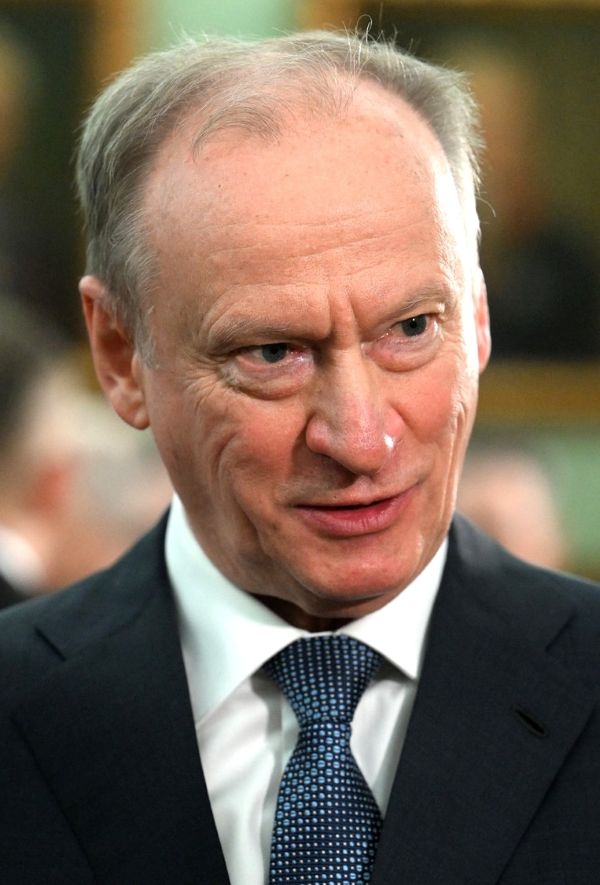
On 16 September, Russian presidential aide Nikolai Patrushev threatened that Poland could vanish within days if it engages in direct military conflict with Russia. In a report by the Croatian newspaper Jutarnji List, citing the Russian newspaper Izvestia, Patrushev warned that Moscow would respond with all its forces to any Polish military intervention. The British newspaper Express interpreted this as a potential nuclear threat, further straining relations amid rising tensions.
This threat to Poland is not isolated; Russia has issued similar warnings to other countries. Russian Duma deputy Andrei Gurulyov suggested a nuclear strike on the Netherlands, while propagandist Vladimir Solovyov called for an attack on Great Britain. Dmitry Medvedev, of the Russian Security Council, has also made serious threats, including a warning to erase Lithuania from existence if it hosted nuclear arms.
Analysts suggest that such rhetoric often rises in response to military developments in Ukraine, particularly following Ukrainian successes or increased Western military support.
Lithuania debates nuclear weapons deployment
Moscow’s response to Lithuania’s debate over constitutional changes to allow the potential deployment of nuclear weapons was predictably harsh. Kremlin spokesman Dmitry Peskov warned that any country hosting nuclear weapons aimed at Russia would become a target. Russia’s nuclear doctrine permits nuclear retaliation against both nuclear and certain conventional attacks that threaten the state’s existence.
Dmitry Medvedev added that an attack on Russia or its ally Belarus by a non-nuclear state could provoke a nuclear response if supported by a nuclear power.
Meanwhile, Lithuania is advancing its constitutional amendments, with parliamentary support and a final decision expected in early 2027. Lifting the ban on nuclear weapons would not mean immediate deployment, but it would eliminate a key constitutional obstacle, perpetuating the cycle of threats in Eastern Europe.
