
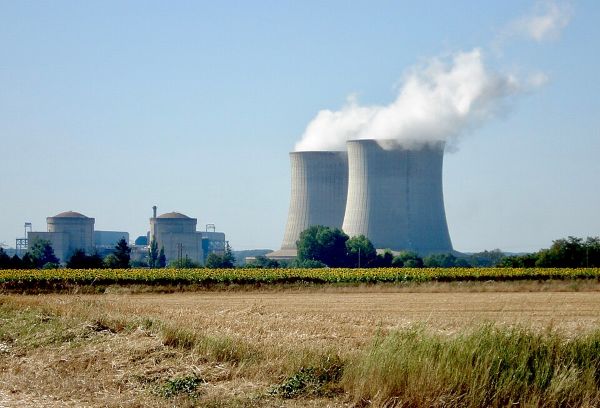
Across the world, there is a new impulse to return to nuclear energy, as multiple crises push the fossil-fuel-based energy grid to the limit.
Despite very famous incidents like those in Chornobyl, Ukraine, in 1986 and Fukushima, Japan, in 2011 hampering the popularity of nuclear energy, in recent years, the mood has changed, especially since the continued shock to prices of fossil fuels exposed the dependencies of several countries and presented them with a chance to look for alternatives. Technological advancements made nuclear energy much safer, priming the industry for this shift in perspective.
Currently, 70 new nuclear reactors are under construction, while around 400 are in operation. Of those, 94 are in the US, the undisputed leader of nuclear energy production. The country is also planning to quadruple its output by 2050. China is also building new reactors to curb its dependence on fossil fuels amid growing energy consumption. There are currently 61 nuclear reactors in the country, and nearly 40 more are under construction.
In Europe, the situation is patchier, though. The undisputed leaders of nuclear energy are France and Russia. France has 57 reactors in 19 plants, providing for 70% of its electricity. Unlike other European countries, its leaders never bowed to public pressure after nuclear incidents and never banned or reduced its use. As recently as 2022, French President Emmanuel Macron unveiled plans to build six new pressurised water reactors. Meanwhile, Russia is exporting its know-how and building 20 plants worldwide, including in Europe.
In the rest of the European Union, though, there are still doubts and resistance. Following the disasters in Chornobyl and Fukushima, many countries closed their nuclear programmes, and ever since nuclear output has counted for less and less among Europe’s energy sources, falling to around 15% from one-third in 1990. Italy, Germany and Austria have outright banned its usage, while Spain is in the process of phasing out its reactors between 2027 and 2035. Only Belgium had surprisingly decided to reverse its plans and will keep its nuclear reactors.
European Commission President Ursula von der Leyen is trying to push the bloc to invest more in nuclear energy, and her Commission has significantly changed its stance on nuclear energy, adding it to the list of green and safe technologies as part of its Green Deal initiatives. The EU is also considering a push for Small Modular Reactors as a cheaper, faster alternative to traditional nuclear power plant construction. They are expected to enter operation in the early 2030s.
This article used information from The Associated Press.
