
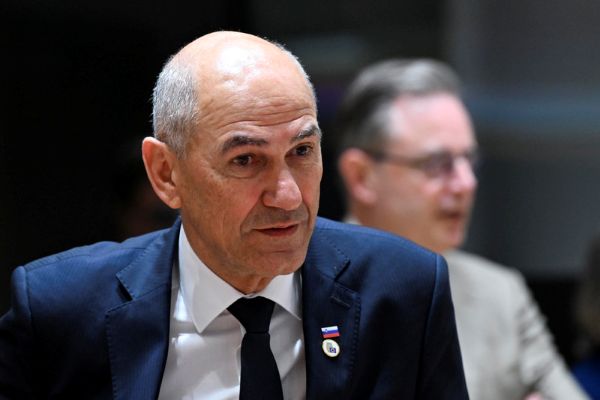
On 26 August, Slovenia vetoed a joint statement by the EU and its 27 member states condemning Israel’s decision to build new settlements in the West Bank. The Foreign Ministry explained that the government believed a new EU statement wouldn’t provide added value at this time. This decision faced strong opposition from President Nataša Pirc Musar, who argued that Slovenia should support the joint statement, emphasising that the expansion of Israeli settlements violates international law and undermines the two-state solution.
While all other EU member states had planned to issue a unified condemnation, Slovenia’s opposition downgraded the statement to one issued by High Representative Kaja Kallas. Kallas urged Israel to halt its expansion of settlements in the West Bank, calling the construction of 1,200 homes in the E1 area “illegal” and warning it would isolate East Jerusalem. European Commission President Ursula von der Leyen also condemned the plans.
Many view this move as an indication that Israeli Prime Minister Benjamin Netanyahu has an ally in Slovenia’s right-wing populist Prime Minister Janez Janša.
During the electoral campaign, there were severe allegations of foreign interference. In response, the government of Robert Golob convened the National Security Council to investigate these claims, especially after reports of Janša’s meetings with officials from the Israeli intelligence firm Black Cube.
Secretary of State for National and International Security Vojko Volk indicated that Black Cube representatives had visited Slovenia multiple times, including at the SDS party headquarters in Ljubljana.
When Janša became Prime Minister, he improved relations with Israel by reversing measures taken by the previous government, including the lifting of the declaration of Netanyahu as persona non grata in Slovenia. Israel plans to open an embassy in Slovenia next month during a visit from Foreign Minister Gideon Sarr.
In a June interview with Israel Hayom, Janša proposed relocating Slovenia’s embassy in Israel from Tel Aviv to Jerusalem and freezing the recognition of Palestine. This move has faced criticism for diverging from the EU consensus.
President Nataša Pirc Musar firmly opposed the proposed relocation, stating it contradicts international consensus on Jerusalem’s status. Under Slovenian law, only the president can authorise changes to diplomatic missions. Slovenia recognised Palestine on 4 June 2024.
After criticism for rejecting a joint EU statement, the Ministry of Foreign Affairs reiterated today Slovenia’s support for a two-state solution that takes into account the legitimate interests of both sides.
The opposition accuses Janša of harming Slovenia’s interests
The Freedom Movement, led by former Prime Minister Robert Golob, condemned Slovenia’s veto as “a shameful foreign policy decision” and evidence of Janša’s ties to Israeli interests.
The Social Democratic (SD) party warned that Janša’s unilateral decision could impact lives in Gaza, primarily affecting women and children.
Meanwhile, the Left Party is demanding an independent investigation into potential ties between the SDS party and Israeli private intelligence, questioning whether the veto was a way to repay political debts.
