
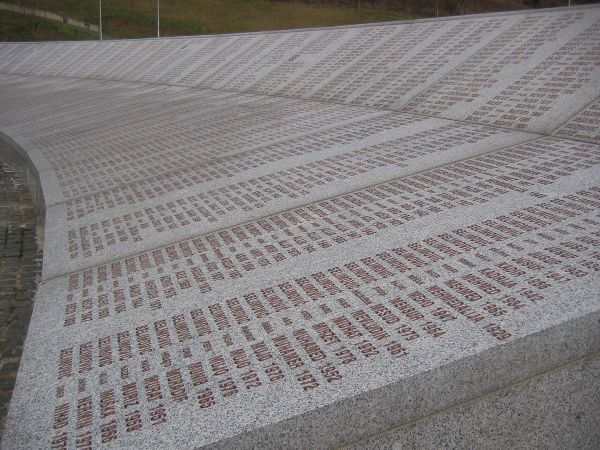
The body of Ratko Mladić, the former Bosnian Serb army commander who died last week while serving a life sentence for genocide and war crimes, was flown to Serbia from The Hague on Thursday. Serbian army soldiers carried his coffin, wrapped in the national flag, in a ceremony broadcast live on pro-government television.
Justice Minister Nenad Vujic, along with Mladić’s son Darko and former military associates, was on the plane. The body was taken to a military hospital in Belgrade for an autopsy.
Mladić was convicted in 2017 for orchestrating the Srebrenica massacre, the siege of Sarajevo, and other atrocities. President Aleksandar Vučić announced that the UN court released Mladić’s body to his family on Thursday afternoon. A military commemoration is planned for Saturday, and the funeral will take place on Monday.
Vučić noted that many Serbs view Mladić as a hero despite his convictions and warned that securing the funeral could be challenging, with predictions that “tens of thousands” would attend. Following his death, vigils and marches in Mladić’s honour drew condemnation in a region still grappling with ethnic divisions from the war.
EU warns Serbia not to glorify war criminal Mladić
The International Residual Mechanism for Criminal Tribunals, commonly referred to as the legacy court in The Hague, issued a statement expressing solidarity with the victims, survivors, and families affected by the crimes for which Ratko Mladić was found guilty. The court condemned any actions that glorify individuals convicted of war crimes, crimes against humanity, and genocide as adjudicated by international courts. Families of Mladić’s victims have remarked that his conviction by the United Nations tribunal has provided a measure of justice for the horrific deaths of their loved ones.
Serbia, which supported the Bosnian Serbs during the conflict, is pursuing accession to the European Union while maintaining a defiant stance regarding its involvement in the war. President Aleksandar Vučić recently accused Western nations and the Hague tribunal of placing undue blame solely on Serbs for the crimes committed, claiming that justice has not been served for Serb victims. He also criticised the court for its decision not to grant Mladić release on humanitarian grounds to allow him to spend his final days at home.
The European Union’s Enlargement Commissioner has emphasised that the glorification of war criminals is unacceptable in both member states and candidate countries. The tragic events at Srebrenica represent Europe’s first recognised genocide since World War II. Initially designated as a UN “safe haven” for Muslims, Srebrenica was ultimately overrun by Serb forces, who perpetrated heinous acts against men and boys by forcing them to strip, executing them, and subsequently disposing of their bodies in mass graves. Mladić is regarded as one of the most infamous figures in a conflict in Bosnia that resulted in over 100,000 fatalities and rendered more than 1 million individuals homeless, concluding in 1995 with a peace agreement facilitated by the United States.
This article used information from The Associated Press.
