
The European Union has unveiled a comprehensive plan to expand its presence and activities in the Arctic, addressing emerging challenges from global warming, geopolitical tensions, and competition for energy resources and critical minerals. This initiative responds to recent provocations, including statements from US President Donald Trump about Greenland, a self-governing territory of Denmark, and actions that have contributed to unease in Iceland.
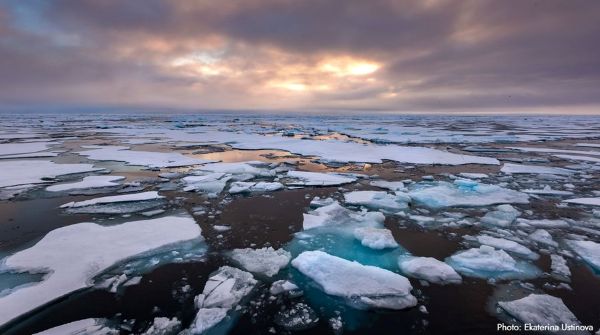
The urgency of this initiative is underscored by the Arctic warming at about four times the global average, opening new shipping routes, increasing China’s trade through the Arctic, and heightening security concerns over Russia’s military buildup.
European Commission President Ursula von der Leyen emphasised the need for a strategic shift, stating, “When we see that sovereignty, territorial integrity, and the rules that have underpinned stability in the region can no longer be taken for granted, we have to act and change our strategic posture.”
The EU’s strategy includes establishing a cable centre to monitor, protect, and repair undersea communication cables in the North Atlantic and Arctic. There are concerns regarding the possibility of Russian submarines attempting to sabotage marine infrastructure. To address these threats, the EU will allocate funds for advanced surveillance tools, including cameras, sensors, and satellites.
In addition, the European Commission aims to support deploying a secure, resilient submarine cable connecting Greenland directly to the EU, as detailed in the new strategy document.
The 27-member bloc plans to integrate this cable-monitoring initiative into a broader Maritime Security Hub. This hub will focus on tracking vessels within Russia’s shadow fleet that engage in illicit oil transportation to finance its military actions in Ukraine, as well as monitoring illegal fishing activities and pollution, and facilitating search and rescue operations.
Moreover, the EU intends to expand its icebreaker fleet to improve Arctic navigation and broaden research capabilities. Europe currently operates about 10 icebreakers, mostly based in Finland, compared with Russia’s fleet of around 40.
Furthermore, the EU seeks to strengthen transport connections between the Arctic and Europe, serving both civilian and military purposes. A pivotal aspect of this strategy is developing infrastructure links—ports, rail connections, energy terminals, and digital systems—between the Arctic and European trade networks, fostering greater integration of the region into European markets.
The EU recognises its significant stake in the Arctic, where over half a million EU citizens reside. Member states such as Denmark, Finland, and Sweden are involved, while Iceland and Norway actively participate in Europe’s single market. The EU wants to clarify that it does not intend to claim sovereign rights over the Arctic. It has no plans to drill for oil or gas and will not purchase fossil fuels extracted from the region, including from its partner Norway.
This article used information from The Associated Press.
