
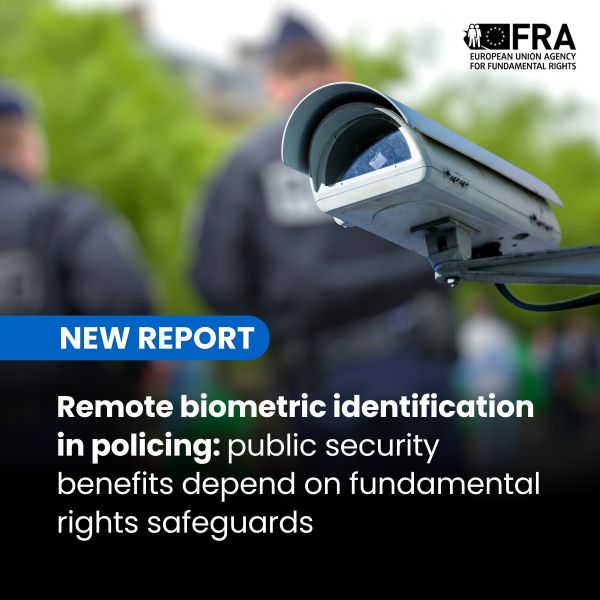
Remote biometric identification (RBI), including facial and voice recognition technologies, helps law enforcement prevent and investigate crimes and identify suspects. However, its use in public spaces raises significant fundamental rights concerns.
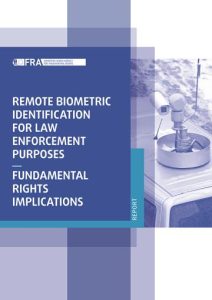
A report from the EU Agency for Fundamental Rights (FRA) highlights the need for strong safeguards, effective oversight, and clear legal frameworks to ensure that these AI technologies are used lawfully. Titled “Remote Biometric Identification for Law Enforcement Purposes: Fundamental Rights Implications,” the report examines how EU Member States regulate RBI.
Currently, these technologies are mostly used with recorded video or audio feeds rather than in real time. While some legal safeguards exist, implementation varies among Member States, resulting in unequal fundamental rights protection. The report warns that exceptional measures can become routine, stressing the importance of establishing safeguards before deploying these systems.
“Public security and fundamental rights protection are not competing objectives; democracies protect people by protecting both their safety and their rights. With clear safeguards and independent oversight, remote biometric technologies can support policing without undermining the freedoms they are meant to safeguard. Ultimately, it is about trust. And trust is built when people are confident that these technologies are used proportionally, responsibly, and lawfully,” said FRA Director Sirpa Rautio.
The report identifies several key concerns:
Privacy and Data Protection: RBI systems process sensitive biometric data, often compared against databases or watch lists. This usage by law enforcement can infringe on individuals’ privacy. In a FRA survey, 37% of respondents feared their data could be misused.
Bias and Discrimination: Poorly designed algorithmic systems can lead to biased and inaccurate biometric matches, particularly impacting women, ethnic minorities, children, and the elderly, resulting in unjustified police stops.
Chilling Effect on Freedoms: The FRA survey found that 29% of people would be less likely to participate in peaceful protests if facial recognition technology were used, as the threat of identification may deter them from exercising their rights.
Lack of Transparency: FRA’s findings reveal limited transparency in how RBI technologies are used, with some Member States failing to inform the public adequately, complicating scrutiny and accountability regarding rights impacts.
To ensure that RBI technologies are used lawfully and responsibly, the FRA calls for:
Clear Safeguards: National laws should define when and how police can use remote biometric identification tools effectively.
Protection of Civic Space: Uphold democratic freedoms per EU law. The EU AI Act specifies that law enforcement may use real-time RBI only for specific purposes, such as searching for missing persons or preventing imminent threats. Safeguards are needed to protect individuals in peaceful demonstrations.
Oversight and Accountability: Member States must equip data protection authorities and oversight bodies with adequate resources and expertise to monitor the use of these technologies and ensure compliance with authorised purposes. Law enforcement should publish fundamental rights impact assessments and provide regular public reports on tool usage.
This report draws on research and interviews with police, experts, and the public from seven EU Member States: France, Germany, Greece, Hungary, Ireland, Italy, and the Netherlands.
