
On Thursday, the Italian government promulgated a decree capping the number of students with limited proficiency in Italian allowed in each classroom. The decree also prohibits wearing face-covering Islamic veils in educational institutions. Prime Minister Giorgia Meloni‘s government, a coalition between a conservative party and two far-right parties, says the initiative aims to strengthen integration through improved language instruction and has received endorsement from right-wing political allies.
Conversely, critics—including educators, labour unions, and opposition parties—say these regulations may require students to travel to schools far from their neighbourhoods. Furthermore, detractors contend that the government is politicising immigration issues.
With elections anticipated as early as next spring, political analysts suggest these measures allow Premier Meloni to reaffirm her position on issues important to her conservative base, despite their likely limited practical impact and substantial questions about how the decrees will be enforced.
Under the new regulations, a maximum of 30% of non-Italian students lacking sufficient proficiency in the Italian language will be permitted in any individual classroom.
The government decree is effective immediately; however, it must receive parliamentary approval within 60 days, where Premier Meloni’s coalition holds a majority. The Premier articulated via social media that these are “common-sense measures that do not divide but instead foster genuine integration, thereby preventing the formation of ‘ghetto’ classrooms and ensuring equal opportunities for all students.”
This decree comes amid increased pressure from the far-right, particularly from a new challenger, retired Army General Roberto Vannacci, who seeks to address voter apprehensions about immigration and national identity.
Decree may affect a limited number of classrooms
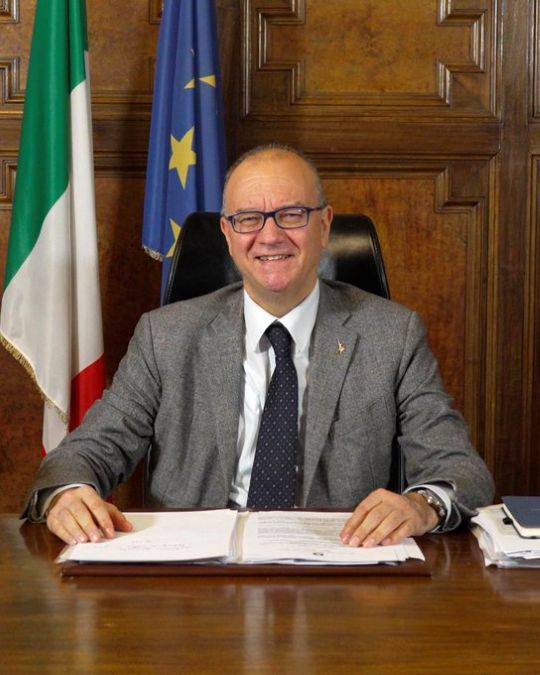
Education Minister Giuseppe Valditara announced that local school authorities will manage student placements to prevent concentrations of non-Italian-speaking pupils. Schools unable to comply may receive exemptions and additional funding for language support.
This decree is expected to affect around 1,000 classrooms, or 0.3% nationwide, primarily in areas with many recently arrived students who lack Italian language skills.
School principals have expressed concerns about implementing this measure in regions with large immigrant populations. Antonello Giannelli, president of the National Association of Principals, noted the challenge of relocating young children from neighbourhoods where a single school is available.
Teachers’ unions criticised the lack of consultation and adequate resources, arguing that the government’s €14 million funding will not be enough to hire the necessary language teachers and cultural mediators. Giovanni Castagno, a primary school teacher in Rome, emphasised that foreign students can enrich classroom experiences by broadening perspectives.
According to the Education Ministry, students without Italian citizenship made up 11.2% of the school population in the 2022-2023 academic year, with classes exceeding 30% foreign students at 7.6%. Foreign students born in Italy will be exempt from placement caps, as will those who attended Italian preschool or progressed through the school system.
Burqas and niqabs banned
The decree bans burqas and niqabs in schools while allowing hijabs. This policy is more limited than similar restrictions in other European countries, such as France, which banned full-face veils in 2011 for public security reasons. France also prohibits conspicuous religious symbols, including Islamic headscarves, in public schools due to its strict secularism.
Critics in Italy argue that the provision addresses a rarely seen issue in classrooms. While headscarves are common among some Muslim students, full-face veils are not. Opponents claim the government is repackaging an existing policy instead of properly investing in struggling schools.
Centre-left leader Elly Schlein accused the government of using schools to convey a political message on migration. Education Minister Valditara rejected these claims, asserting that the aim is to promote integration through language acquisition and better educational support.
Italian-language courses for non-Italian students
The decree allocates extra teaching resources to schools with over 20% newly arrived foreign students and additional language funding for schools with over 30%. It also requires some parents of foreign students to attend Italian language courses if language barriers affect education or behaviour. Schools will refer eligible families to social services for support programmes. Parents who do not attend may face fines from €200 to €1,000, but exemptions exist for those with age-related, medical, or disability-related barriers to learning.
This article used information from The Associated Press.
