
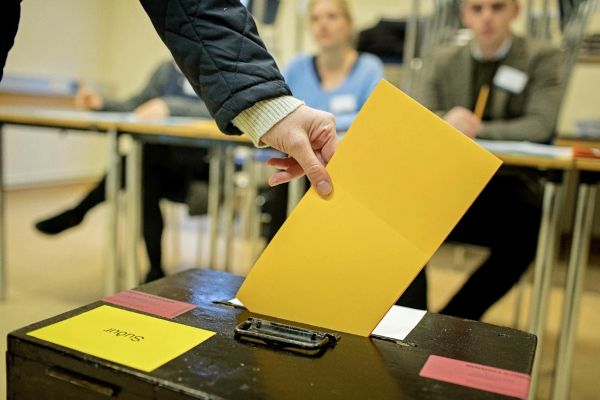
Iceland’s voters have turned down a proposal to restart talks about joining the European Union, over a decade after previous discussions wrapped up. Reports indicate that the measure was defeated, with 52.8% voting against it and 47.2% in favour. This decision settles a long-standing debate that began when a euroskeptic government halted negotiations in 2015.
Only Reykjavik, the capital city, supported the referendum in a country of around 400,000 people. The proposal gained some traction, partly due to US President Donald Trump‘s comments about Greenland, which prompted some voters to consider the benefits of joining the EU.
Although Iceland is already a member of NATO, supporters of joining the EU argued that it could provide better protection against future threats. The left-leaning government elected in 2024 decided to move the referendum up from next year after Trump mentioned Iceland multiple times while discussing Greenland.
Those against joining the EU pointed to the importance of Iceland’s fishing industry and noted that the country enjoys benefits from the EU’s single market and Schengen free-travel zone without losing its sovereignty. They believed that joining the EU would dilute Iceland’s influence in the European Parliament and preferred to maintain independence in trade deals, like one with China.
On the other hand, advocates for EU membership argued that it could help reduce inflation and interest rates, suggesting that adopting the euro would be more stable than the current Icelandic króna, which has been quite volatile. They also highlighted the need for stronger ties with European neighbours to tackle issues like climate change that cross borders.
This article used information from The Associated Press.
