
An attempted drone attack at a German airport attributed to Russia is making European countries and the European Union scramble for a response that avoids a military escalation.
After investigation, German authorities said that Russia carried out the failed attack at Leipzig/Halle airport on 4 August. The drone didn’t explode at its designated target and was found close to a Ukrainian cargo plane. The device was later defused. It is one of the first times that Germany has directly attributed an attack to Russia, a significant policy shift with far-reaching consequences.
A first step by Germany has been to close a Russian consulate, among other measures to be determined. France has been more vocal, with French Foreign Minister Jean-Noël Barrot calling on Russia’s envoy to protest the issue directly and announcing plans to impose further sanctions targeting the Kremlin’s shadow fleet ships, the ones that keep moving Russia’s gas and oil, circumventing existing sanctions and giving respite to the Russian economy.
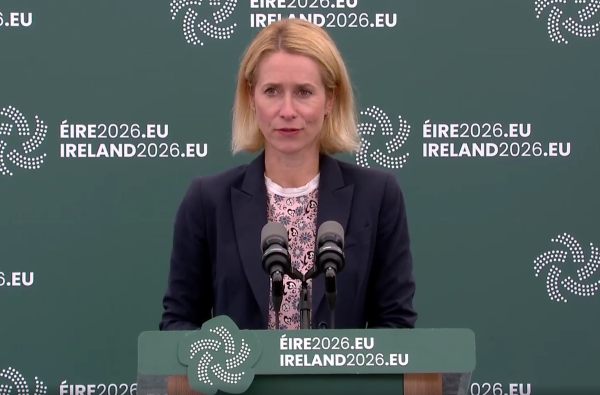
EU foreign policy chief Kaja Kallas said that: “It is clear that it [the attack in Leipzig] has all the hallmarks of state-sponsored terrorism. The question is: what do we do about this.” Her words explain neatly the issue facing the EU.
So far, the EU has made almost two dozen packages of sanctions against Russia since it invaded Ukraine. Stronger answers could lead to escalation, and both the EU and NATO are wary of anything that could trigger an open military conflict.
However, Russia has ramped up its hybrid campaign against European countries, with a string of recent incidents across Europe, including the sabotage of a drone-making factory in Poland and repeated drone incursions in Estonia and Latvia.
In addition, Russia has been accused of mastermind disinformation campaigns to create a wedge among European countries and undermine support for Ukraine. Spain openly said that Russia and Israel have been behind disinformation campaigns to weaponise illegal immigration, escalating arrivals to Spain’s exclaves in Northern Africa.
Russia refused to accept the accusations for any of those attacks and incidents. Russian President Vladimir Putin accused Berlin of using the Leipzig attack to cover its own failings and said that any proof the German authorities found or mentioned “has been planted.”
This article used information from The Associated Press.
